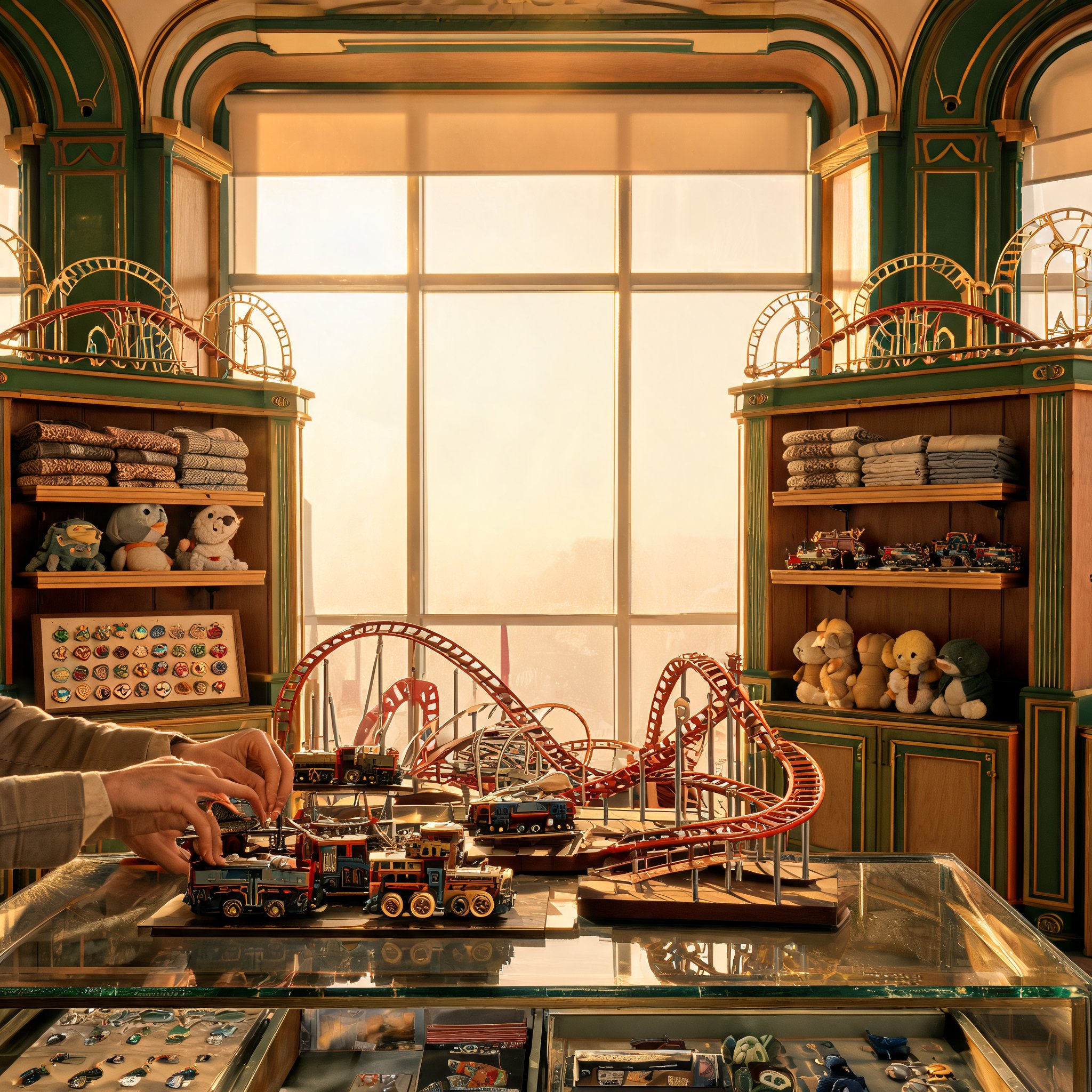
Pleasure Beach Blackpool’s head of retail says merchandise must have a clear reason to exist, a defined customer and an authentic link to the 130-year-old seaside park, rather than simply carrying a logo. Damian Jackson, who oversees stores, e-commerce, ride photography and product development, said retail is a creative and commercial operation that starts with the guest experience and extends beyond the park gates.
The flagship shop sits at the main entrance in the Casino building, supported by outlets across the site. Jackson works with Amanda Thompson from initial idea through design briefs, sampling and approval, and said each range must have a clear customer and a genuine connection to the resort.
Jackson described an exceptionally diverse audience: first-time families, school groups with limited spending money, teenage friends and couples, international tourists, lifelong fans and serious coaster enthusiasts. Their reasons for buying differ. A family may want a traditional souvenir, an enthusiast an accurate collectable tied to a ride, teenagers confectionery or trend-led apparel, and heritage-minded guests nostalgia and craftsmanship.
The team combines sales data with time in shops, staff conversations and guest feedback. Jackson said sales reports show what is selling, but understanding why requires direct observation. The team asks whether a product would be worn away from the resort, displayed with pride by an enthusiast, welcomed by a child or genuinely remind a family of its visit.
The portfolio is built around customer missions, price points and engagement. It spans impulse items such as confectionery, magnets, keyrings and badges; practical products including bottles, bags and ponchos; fashion-led apparel; children’s products and plush; and premium or limited-edition pieces for collectors. Pleasure Beach balances attraction-specific ranges with broader branding, licensed products, playful lines and heritage collections. Jackson said this means a carefully edited range in which each product has a purpose, target customer and appropriate price, not unlimited choice.
He cited Aviktas as an example of building merchandise around a complete visual world rather than a ride logo, drawing on the attraction’s golden snake, emerald colouring, mythology and mystery. Involving retail early in attraction development is stronger than adding merchandise after the creative work is complete, he said. Jackson also said a run of 50 models priced at £250 each sold out, which he presented as evidence that authenticity, detail and a strong attraction connection can support higher-priced products.
Each attraction takes a different approach. Jackson said ICON lends itself to a clean, contemporary, fashion-led treatment, while heritage rides such as the Big Dipper and Grand National allow the team to draw on archive artwork, engineering details, nostalgia and guest memories. Development considers materials, colours, proportions, trims, embroidery, packaging and shop presentation, as well as intended customer, demand, price points, production quantities, lead times and sales locations.
Nostalgia is central because the resort has been part of family traditions for 130 years. Pleasure Beach uses archive imagery, typography, posters, architecture and stories to create contemporary apparel, homeware and collectables, aiming to use history in a fresh way. Playful assets, including humour, colour and characters such as Mr Funshine, broaden appeal to children, families and casual visitors.
For licensed brands such as Nickelodeon and Aardman, Jackson said Pleasure Beach works within brand guidelines and approval processes while considering how characters and stories are experienced at the park. The aim is relevance and exclusivity: products should connect the licensed brand to the visit through exclusive designs, attraction references, location-specific details or personalisation, rather than duplicate what general online retailers offer.
Jackson said guests increasingly seek exclusive, authentic and considered products, including attraction-specific merchandise, premium apparel, subtle branding, collectables, limited editions and items with a clear story. Demand is also growing for products usable beyond the visit. Generic souvenirs and heavily branded items without an additional story have become less compelling, he said, though keyrings, magnets, mugs and confectionery remain important and must evolve.
Stock accuracy and availability are critical. Jackson said an outstanding product cannot generate revenue if it sits in a stockroom, has not been reordered, is incorrectly priced or is unavailable where guests expect it. Deliveries, replenishment, pricing, signage and daily checks protect the guest experience.
The park treats suppliers as creative and commercial partners. Jackson said the best understand the brand, bring ideas, respond to feedback and translate concepts into viable products. To encourage spending, Pleasure Beach uses clear price architecture, product adjacencies and storytelling, and tries to make retail another chapter of the day rather than an obligatory exit gift shop.
E-commerce extends the relationship year-round. Jackson said online behaviour can differ from in-park behaviour and provides useful insight into demand. Staff act as hosts, storytellers and brand ambassadors, while gift wrapping and personalisation add value. Pleasure Beach looks to museums, premium fashion brands and experiential retailers for inspiration, but Jackson said the aim is not imitation.