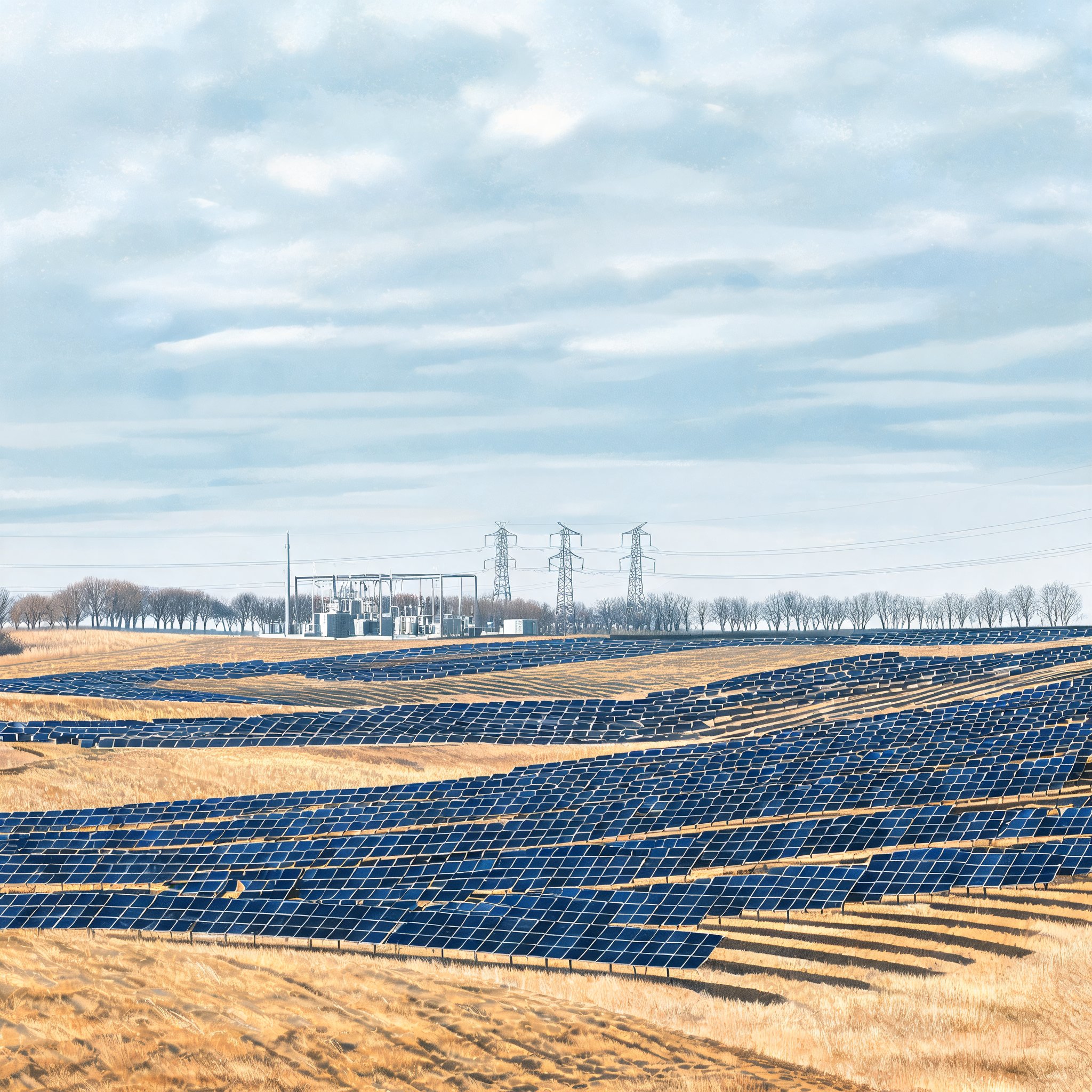
DTE Energy has announced plans to add up to 150 megawatts of new solar generation in Michigan and is seeking competitive proposals to supply the projects. The company said the addition would create construction jobs, support local communities and save customers money on fuel costs.
Because solar generation does not require fuel, DTE said the projects would help reduce its exposure to changing fuel prices over their operating lives. The company framed the procurement as part of its broader effort to provide customers with energy that is reliable, increasingly clean and affordable.
Fuel costs and community benefits
DTE described the projects as an investment in Michigan and its communities. Producing more in-state energy that does not require fuel purchases can help lower energy costs for customers and reduce reliance on fuel from outside the state, according to the company. DTE also said the projects would create jobs and bring new investment and tax revenue into local communities, providing more resources for schools, first responders and other services Michigan families rely on.
Those are the company's stated expectations rather than measured results; the projects have not yet been selected, contracted or built.
Project requirements and timeline
The procurement supports requirements of the settlement agreement in Michigan Public Service Commission Case No. U-21662, which was approved May 15, 2025. Under the terms DTE described:
- Projects must achieve commercial operation by June 30, 2030.
- They must be located in Michigan and connect either to the MISO transmission system or to DTE's distribution system.
- Proposals are due Jan. 19, 2027.
- DTE expects to execute contracts in the second or third quarter of 2027.
Interested bidders can register and obtain additional information through PowerAdvocate, the company said.
DTE did not specify in its announcement how many projects the 150 megawatts would be divided across, or where in Michigan they would be sited.
Renewable portfolio and long-term plan
DTE describes itself as a producer of and investor in renewable energy in Michigan, generating enough clean energy from wind and solar to power nearly one million homes. The company said it remains committed to growing its renewable energy portfolio while maintaining a balanced mix of energy resources that supports reliability and affordability for customers as it works toward net-zero carbon emissions.
Its 2026 Integrated Resource Plan builds on that commitment and calls for an additional 15 gigawatts of renewable energy by 2042. The 150-megawatt solicitation is a smaller, nearer-term step alongside that longer planning horizon.